
Tale of Two Easters

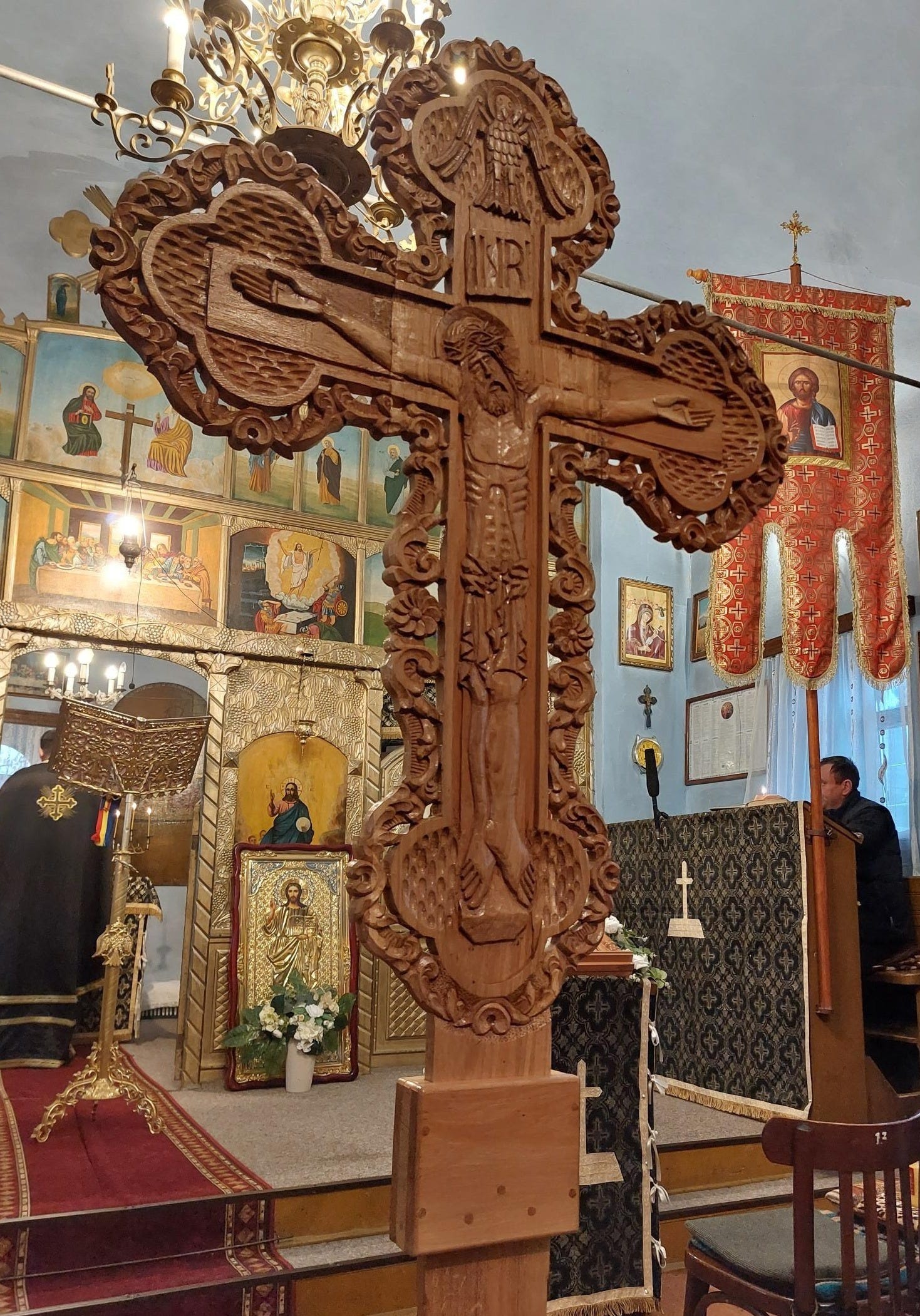
Tomorrow is Easter Sunday here in Romania. Some of you are probably thinking, “Wait, what? Wasn’t that last weekend?”
Indeed, most of the world’s Christians, including billions of Catholics and Protestants, celebrated on April 5. But for the more than 200 million Orthodox Christians, including the vast majority of Romania’s 19 million people, Easter is on April 12 this year.
While most of the world marked Easter, Romania celebrated Palm Sunday, known as Duminica Floriilor, though instead of the palm fronds that greeted Jesus Christ on his triumphant yet modest, prophecy-filling donkey ride into Jerusalem, as the holiday commemorates, willow branches were given out – presumably because they’re more obtainable and cheaper than palms.
The calendar discrepancy is more complicated. The Easters are often separated by just a week, but fall on the same day every three or four years. Yet they can be as much as four or five weeks apart, all stemming from the different calendars – Julian and Gregorian – and the long history behind them.
The Eastern Orthodox churches in Romania, Greece, Serbia, Bulgaria, Russia, Ukraine and others use the Julian calendar, which dates to Julius Caesar in 45 B.C., and requires that Easter is after the Jewish Passover. On the other hand, the Gregorian calendar, introduced by Pope Gregory XIII in 1852 and still today’s global civil standard, is 13 days ahead of the Julian calendar by the way they calculate leap years – but moveable feasts, like Easter, are subject to solar and lunar equinoxes and the Passover rule, as mentioned. All clear? Let’s move on.
In the United States, Easter isn’t a public holiday, though some employers, school districts and states offer Good Friday off or more rarely, Easter Monday, though it can coincide with spring break. Rather, it’s a one-day blip on the calendar, maybe a three-day weekend, despite its spiritual importance.
For many Americans, it’s a trip to church in your Sunday best, the kids’ Easter baskets full of chocolate eggs and bunnies and a bountiful dinner, often with a baked ham and sweet or scalloped potatoes, deviled eggs – with a dash of Tabasco, please – and a classic American pie for the finale. Then it’s right back to work and school.


In contrast, I’d say without hesitation that Easter is bigger than Christmas in Romania. Schools are closed for several days – all this week between the Easters and on Monday and Tuesday as Orthodox Easter is officially three days. Most years, a huge chunk of the multimillion Romanian diaspora – the European Union’s largest – make the trek home from their jobs in Western Europe, though according to news reports, far fewer are making the trip this year due to inflated gas prices. Anecdotally, I noticed the same on the three-hour drive this week to our village in Transylvania, a journey usually packed with foreign license plates and heavier traffic at Easter time.
Romania, technically secular but one of Europe’s most religious countries, funds a significant portion of the operating costs of the Orthodox Church, which claims 85-90% of the population. That’s not without controversy, of course, but the scenarios are similar with the governments in Greece and Russia, et al. Good Friday and Easter Monday are always public holidays, but many take more days off and it often meshes with spring break like this year. In general, you get the feeling that things slow down around Easter in Romania, coming to a screeching halt from Good Friday though Easter Monday, for family time and feast preparations. It’s a big deal.
Easter, which of course commemorates the Resurrection of Jesus Christ on the third day after he was crucified by Pontius Pilate’s Roman soldiers around 30 A.D., is central to Christianity and embraced heavily by Romanians, with millions flocking to churches this week to attend solemn services that follow the scriptures leading to Jesus’s death on the cross, marked by a somber Good Friday service, and culminating with jubilation at the Resurrection – and breaking a 40-day fasting period (vegan, if followed, with fish permitted on Annunciation and Palm Sunday), a healthy reset that’s a marathon of sorts.
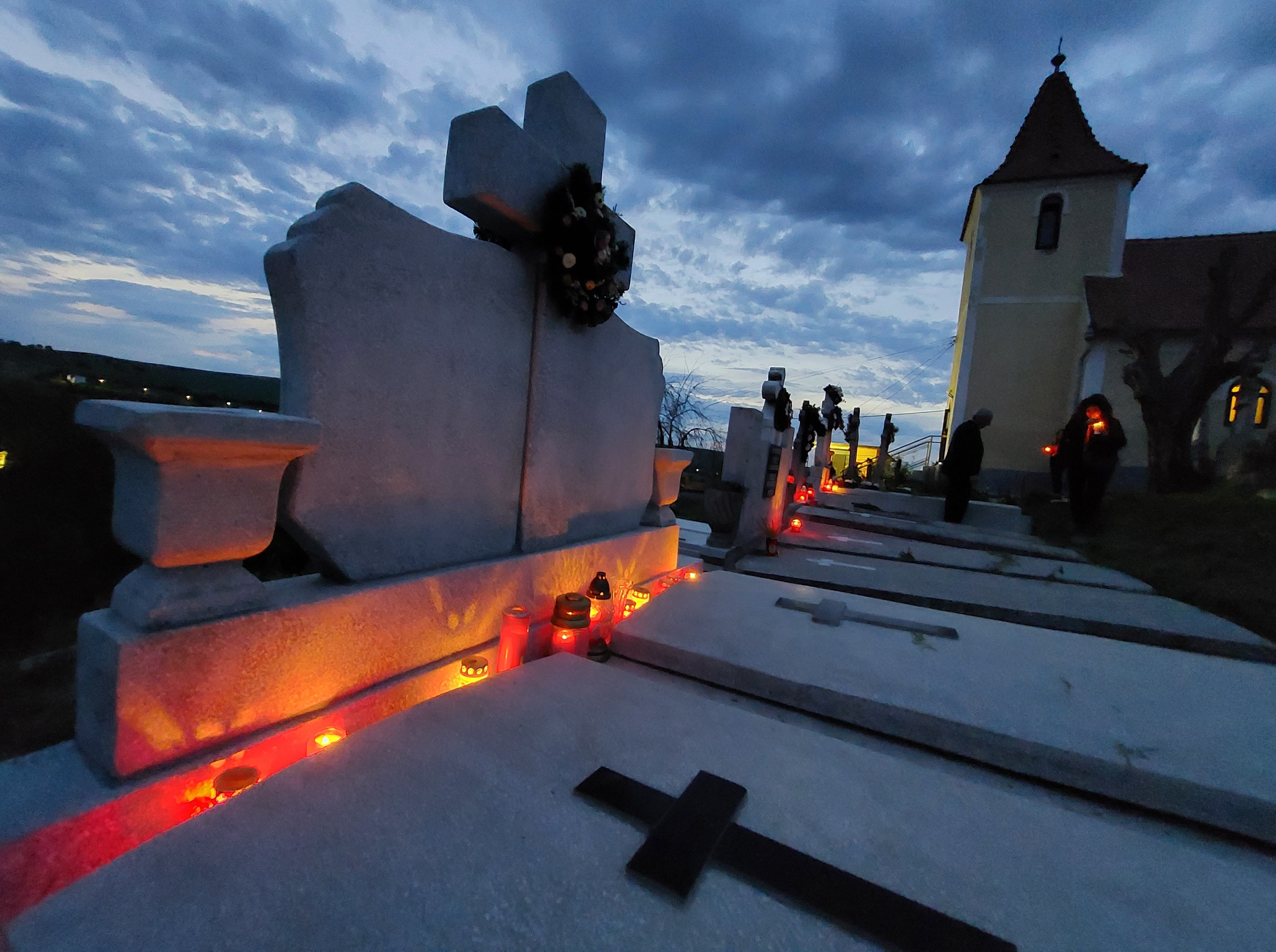
Despite Romania being a country of strong faith, the Hallmark factor that is commercialism has penetrated in recent years, with young families welcoming the Easter Bunny and cities decorating as such, often beautifully, even with Easter Markets similar to the popular European Christmas Markets. Plenty of people who aren’t into church take advantage of the time off to dash to warmer, exotic locales like the Maldives, Seychelles, UAE and Egypt, though that’s been impacted this year with war in the Middle East, prompting travelers to pivot to Spain and elsewhere in Europe, relying on closer, safer destinations or without connections in Dubai or Doha.
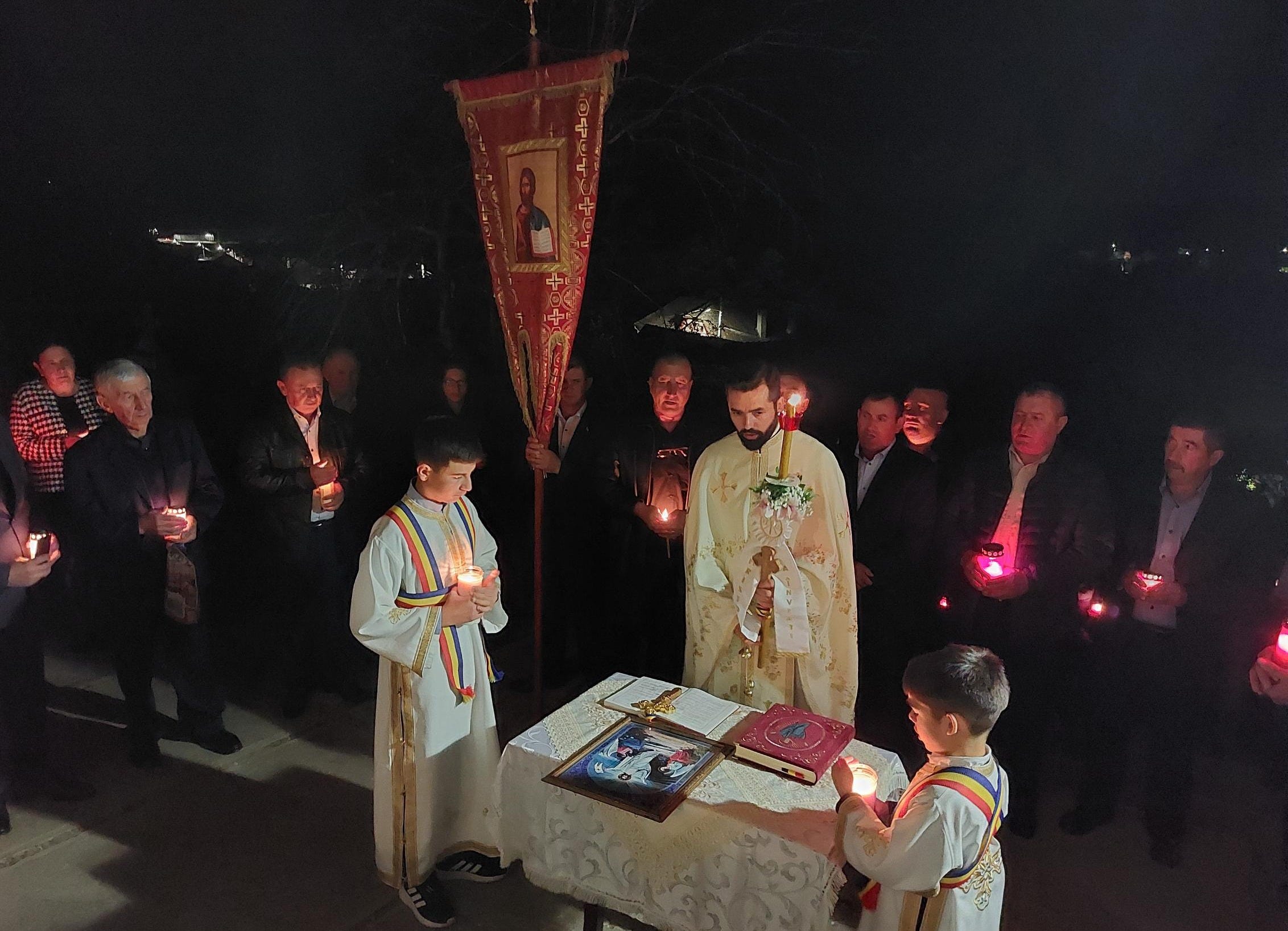
But for most Romanians, Easter is an immensely holy time filled with beautiful traditions, at which Romania excels and I’ve come to greatly admire. After resting a bit on Saturday evening, many attend the Resurrection service (Învierii) starting at midnight and lasting into the wee hours on Sunday. We’ll go to the hilltop village church, where part of the service is outdoors, the priest’s singing and the jingling sound of the censer, the chained instrument burning the incense, piercing the crisp nighttime air as he blesses the faithful. The priest calls out, “Hristos a Înviat!“ (Christ is Risen!) – to which the parishioners respond, “Adevărat a Înviat!“ (Truly He is Risen) – repeatedly through the service, always in threes, to honor the Father, Son and Holy Spirit. The church’s bells are manually rung, with the rhythmic peal carrying across the village and the low valley surrounding it.
Depending on family preferences, Sunday’s Easter meal usually includes a soup starter, often chicken-based broth with thin homemade noodles. Mains include sarmale, the stuffed cabbage rolls popular across Eastern Europe, or roast pork or lamb served with side dishes like chicken salad, mashed potatoes, mac-and-cheese and pickles. Potent Plum brandy and respected Romanian wines accompany the meal.
On the sweet side, there’s cozonac, a year-round holiday staple that’s slightly sweet yeast dough with a walnut or poppy swirl, a bit dense but still light. The best I’ve had is made by a neighbor villager with eggs from her hens, milk from her cows and walnuts from her trees. It’s so tasty – along with her wood-fired oven-baked bread – that she sells it in the nearby city of Sibiu at an artisanal produce market to discerning, loyal clients.


Pasca is a another traditional dessert for Easter in Romania and Moldova. It’s akin to cheesecake, with raisins and a thicker, more bready crust – just delicious!
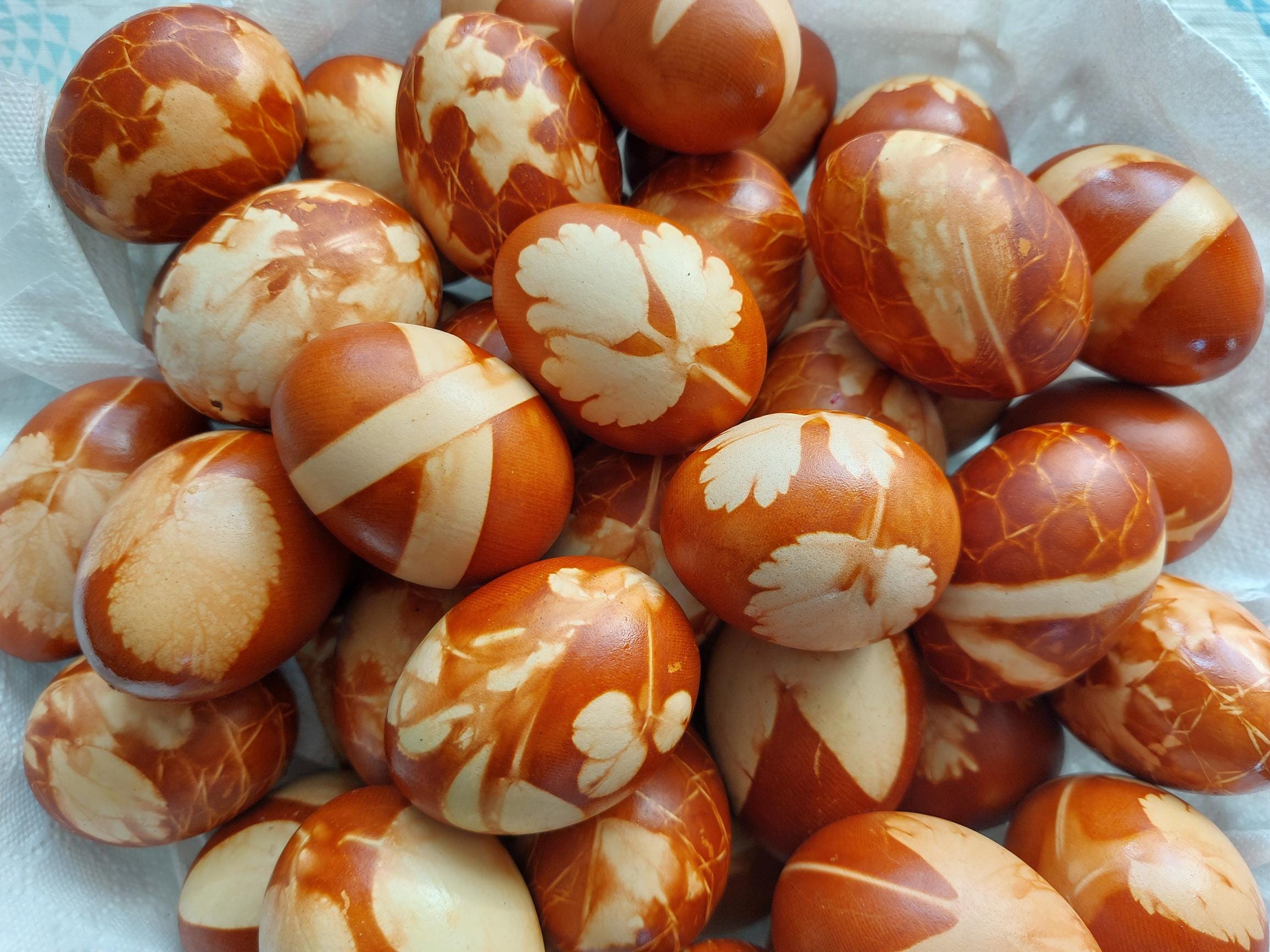
Hand-painted Easter eggs are legendary in Romania, usually a rural tradition handed down by generation, with bright colors and intricate designs. Many families, like ours, use their hens’ freshest eggs, hard-boiled and dyed naturally with red and yellow onion peels, decorated with herb leaves.
Romanians crack eggs with each other in a hand-held hammer motion, saying again, “Hristos a Înviat!“ (Christ is Risen!) – to which the other answers, “Adevărat a Înviat!“ (Truly He is Risen!), seeing which egg “wins” by withstanding a crack. Then they peel and devour them. A fun tradition.
For the next 50 days, until the Pentecost (Descent of the Holy Spirit) but especially in the days immediately following Easter, Romanians will typically greet each other with the “Christ is Risen” / “Truly He is Risen” exchange, a testament to their faith.
Next year and the year after that and so on, it’ll be exactly the same.
If you don’t want to commit to a subscription, but you’d like to show appreciation for my writing on The Neighbor’s Goat, please consider Buy Me A Coffee. I like long black or flat white. Thank you!
